What Is the Theory of Multiple Intelligences?
Developed by Harvard psychologist Dr. Howard Gardner, the Theory of Multiple Intelligences challenges the traditional idea that intelligence is measured by a single number—like an IQ score or standardized test. Instead, Gardner proposed that human intelligence is diverse and multi-dimensional, and that children (and adults) learn, understand, and express themselves in many different ways.
According to this theory, there are at least seven distinct forms of intelligence:
- Linguistic Intelligence – sensitivity to words, language, and storytelling
- Logical-Mathematical Intelligence – ability to reason, solve problems, and understand patterns
- Musical Intelligence – sensitivity to pitch, rhythm, melody, and sound
- Bodily-Kinesthetic Intelligence – coordination, movement, and physical expression
- Spatial Intelligence – ability to visualize and understand space, shape, and design
- Interpersonal Intelligence – understanding and working well with others
- Intrapersonal Intelligence – self-awareness, reflection, and inner emotional life
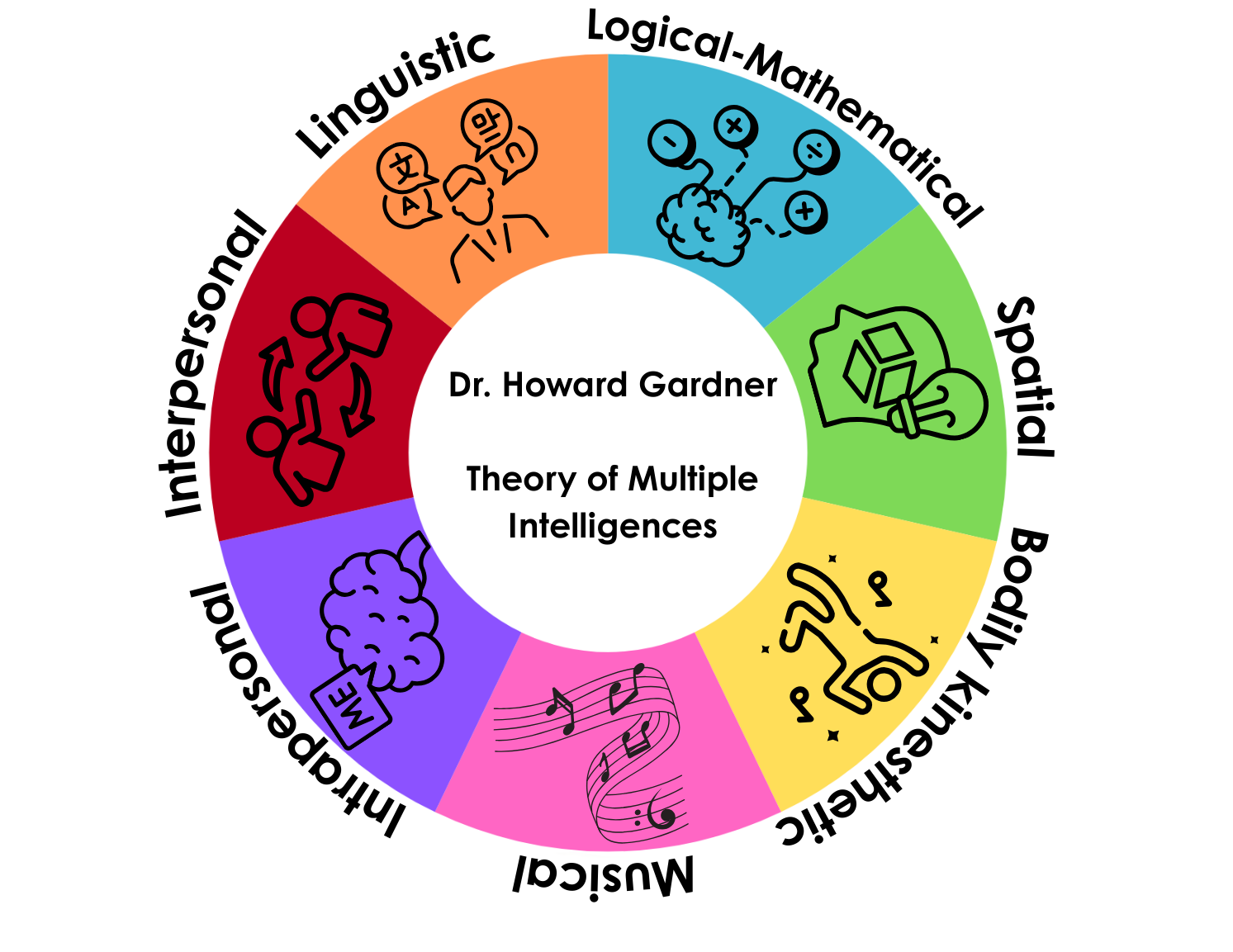
Gardner’s work has transformed the way educators and psychologists understand learning. Rather than viewing intelligence as something fixed or one-size-fits-all, this approach recognizes that every child has a unique combination of strengths, and that education should nurture all of them.
This theory supports a more human, inclusive, and empowering model of education, helping children grow not just academically, but creatively, socially, emotionally, and artistically.
How We Apply the Theory at Urzúa Performing Arts
At Urzúa Performing Arts, the Theory of Multiple Intelligences is more than an idea, it’s the foundation of how we teach. Every part of our curriculum is designed to engage children across all seven intelligences, so that they’re learning through their natural strengths while also developing new ones.

Each class is taught by professional artist-educators and designed to build not only skill and discipline, but also joy, confidence, creativity, and resilience. Our program is structured in two age groups, each with its own developmental focus and curriculum structure.
Ages 4–6: Foundational Exploration
Gentle Structure • Imagination • Early Skill Building
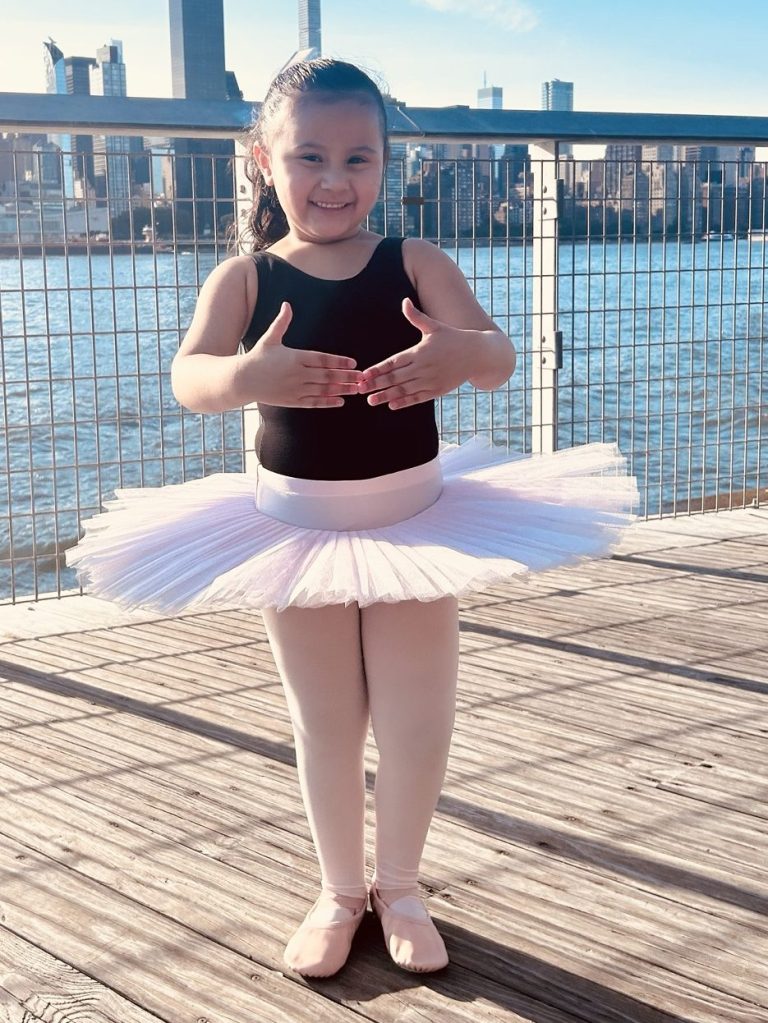
In this early stage, children are developing motor skills, language, and emotional awareness. Our classes for ages 4 to 6 are designed to support healthy growth through structured play, sensory experiences, and foundational artistic training.
Weekly instruction includes:
Music & Piano Exploration
Children are introduced to musical concepts through rhythm games, call-and-response songs, and early keyboard familiarity using color-coded or visual guides.
Storytelling & Creative Drama
Through theater games, bilingual storytelling, and character-based play, students develop expressive language, imagination, and confidence on stage.
Dance & Movement
Classes include creative dance, ballet fundamentals, and musical movement exercises designed to improve coordination, balance, and expression.
Circus Arts
Students explore basic tumbling, balance, and acrobatic skills in a safe, playful environment. Beginning aerial play (low, supported) introduces strength and spatial awareness.
Sewing & Costume Crafts
Using safe, age-appropriate tools, children explore fabric, texture, color, and simple hand-stitching through projects like tote bags or costume accents.
Holistic Learning Focus
All activities are integrated with social-emotional learning, guided reflection, and language-rich interaction to promote confidence, focus, and joy in learning.
Ages 7–12: Skill Development & Artistic Identity
Technique • Collaboration • Creative Expression
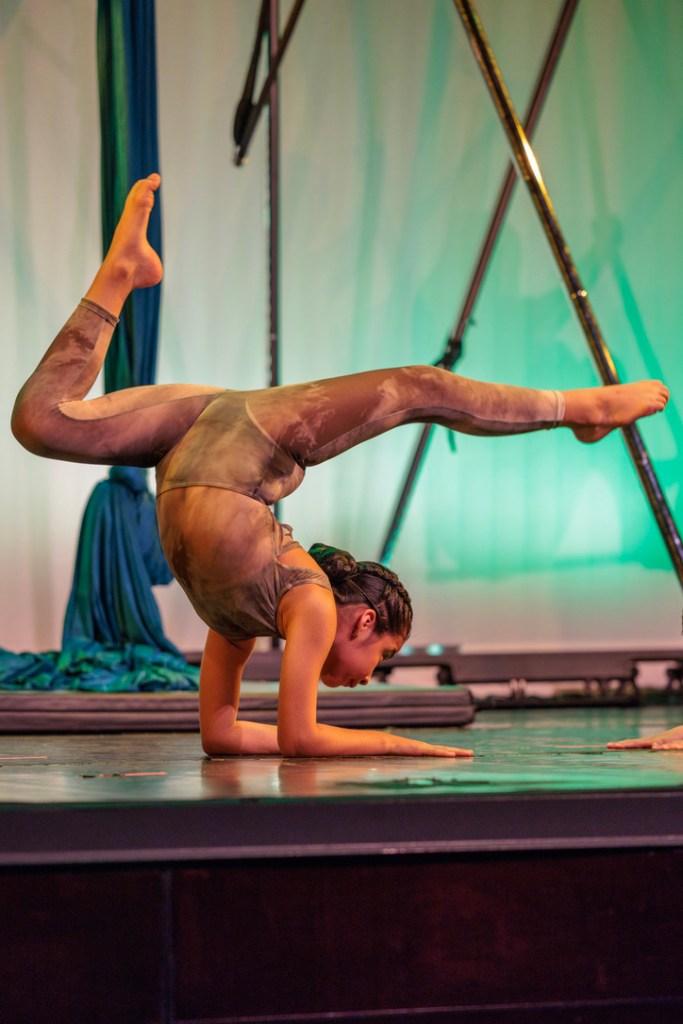
Students ages 7 to 12 engage in more structured training, collaborative creation, and performance opportunities. As they grow, we support their evolving interests and independence with a curriculum that fosters both individual voice and ensemble work.
Weekly instruction includes:
Piano & Music Fundamentals
Students build piano skills through rhythm training, ear development, music reading, and simple composition. Small group settings allow for personalized instruction.
Acting & Performance
Classes focus on voice projection, character development, stage presence, and multilingual script work. Students begin learning to analyze and interpret text while gaining performance experience.
Dance Technique
Training includes ballet, lyrical, jazz, and musical theater, with an emphasis on vocabulary, posture, flexibility, and performance readiness. Students also begin learning choreography composition.
Circus & Acrobatics
With an emphasis on safety and strength, students progress through aerial skills (silks, lyra), tumbling, juggling, and creative movement. Circus arts build discipline, coordination, and confidence.
Sewing & Costume Design
Students learn machine and hand-sewing techniques while exploring costume construction, design sketching, upcycling, and wearable art. Projects may include performance garments and accessories.
Creative & Emotional Development
Our curriculum includes self-reflection, peer feedback, collaborative group work, and journaling practices to build leadership, emotional intelligence, and self-expression.
Our Commitment
At Urzúa Performing Arts, we are committed to nurturing well-rounded, high-achieving young artists in a respectful, inclusive, and nurturing environment. Our program is designed to meet children where they are and help them grow into who they’re meant to be.
We believe that a strong arts education develops not only talent, but also:
- Creative problem-solving
- Confidence and discipline
- Cultural awareness and multilingual fluency
- Collaboration and leadership
- Lifelong joy in learning
 URZÚA PERFORMING ARTS